
How to Use Emotional Resilience to Handle Stress
Stress can affect people at every stage of life. Students may experience examination pressure, heavy workloads and fear of failure. Adolescents may face academic expectations, friendship difficulties, family changes and concerns about their future. Adults often manage work responsibilities, finances, relationships, parenting and personal challenges.
Emotional resilience is the ability to manage difficult emotions, adjust to stressful situations and recover after disappointment, failure, conflict or change. It is not a personality trait that only some people possess. It is a collection of thoughts, behaviours and coping skills that can be developed through regular practice.
Developing emotional resilience is important because it helps students, adolescents and adults understand difficult emotions, adjust to change, recover from setbacks and make healthier decisions under pressure. In this post, we will explore seven practical ways to use emotional resilience to handle stress. These examples show how emotional awareness, balanced thinking, supportive relationships, healthy routines and problem-solving can reduce the impact of stress in school, family, social and everyday life.
https://www.frontiersin.org/journals/psychiatry/articles/10.3389/fpsyt.2025.1536553/full
Why Is Emotional Resilience Important for Handling Stress?
Emotional resilience is particularly important for students and adolescents because their emotional, social and academic lives are developing rapidly. According to the World Health Organization, approximately one in seven adolescents aged 10–19 experiences a mental health condition. Anxiety, depression and behavioural difficulties are among the leading causes of illness and disability among young people.
For students, unmanaged stress can affect concentration, memory, attendance, examination performance and motivation. For adolescents, it may influence confidence, friendships, family communication and decision-making. For adults, continuing stress can affect work performance, finances, physical health, relationships and personal happiness.
WHO also reports that depression and anxiety lead to approximately 12 billion lost working days every year, costing the global economy around US$1 trillion in lost productivity. This demonstrates that the effects of stress extend beyond individuals and can influence families, schools, workplaces and communities.
https://www.who.int/news/item/02-09-2025-over-a-billion-people-living-with-mental-health-conditions-services-require-urgent-scale-up
Building emotional resilience can help people:
- Respond calmly to pressure
- Recover from academic or personal setbacks
- Communicate emotions more effectively
- Make thoughtful decisions
- Maintain healthier relationships
- Ask for support when necessary
Emotional resilience does not remove every stressful experience. Instead, it provides students, adolescents and adults with healthier ways to face challenges.
https://www.who.int/news-room/fact-sheets/detail/adolescent-mental-health

7 Ways Students, Adolescents and Adults Can Build Resilience
1. Identify and Name Your Emotions
The first step in emotional resilience is recognising what you are feeling. People commonly say, “I am stressed,” even though several emotions may be present underneath that stress.
These emotions may include:
- Anxiety about an examination
- Disappointment after receiving a low grade
- Frustration during a family disagreement
- Embarrassment after making a mistake
- Worry about money or responsibilities
- Loneliness after a friendship problem
Naming the exact emotion creates a pause between the feeling and the reaction.
Instead of saying, “Everything is terrible,” try saying:
- “I feel anxious because I am not fully prepared.”
- “I feel disappointed because the result was lower than I expected.”
- “I feel overwhelmed because I have too many tasks.”
- “I feel hurt because I was excluded by my friends.”
2. Pause Before Reacting
Stress can lead to impulsive reactions. A person may argue, send an angry message, avoid an important responsibility or make a decision without considering the consequences.
The STOP technique can help:
S — Stop: Do not react immediately.
T — Take a breath: Breathe slowly and relax your body.
O — Observe: Notice your thoughts, feelings and physical reactions.
P — Proceed: Choose the most helpful response.
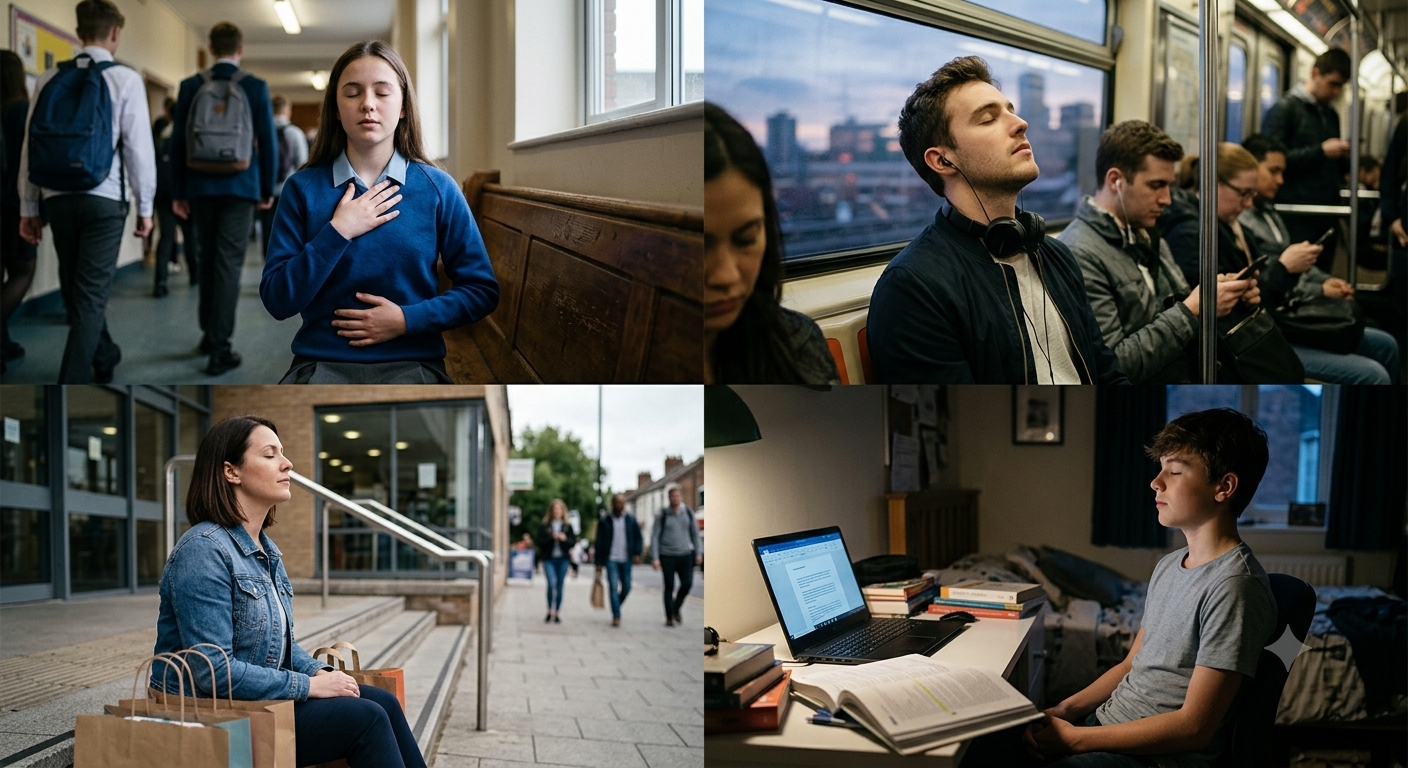
The CDC recommends stress-management practices such as slow breathing, stretching, meditation, journaling and taking time to unwind.
For example, an adolescent who receives a hurtful message can put the phone down before replying. A student who becomes anxious during an examination can pause, breathe and begin with the easiest question. An adult who receives criticism can listen carefully before answering defensively.
The pause may last only a few seconds, but it can prevent stress from controlling behaviour.
https://www.policyjssr.com/index.php/PJSSR/article/view/838
6. Develop a Healthy Recovery Routine
The mind and body need regular opportunities to recover from pressure. Without enough rest, even small problems can feel overwhelming.
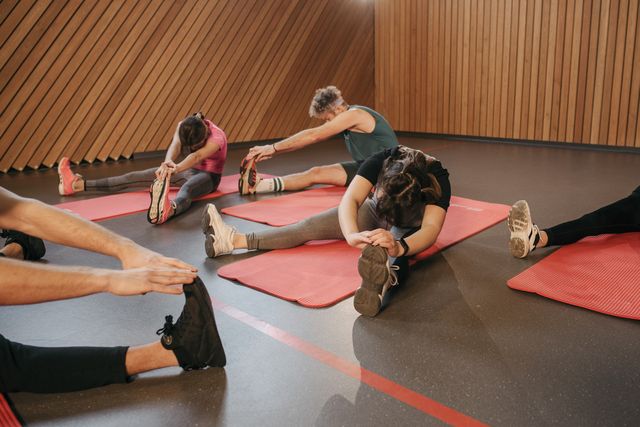
A healthy recovery routine may include:
- Following a regular sleep schedule
- Eating regular and balanced meals
- Taking short study or work breaks
- Participating in suitable physical activity
- Spending time outdoors
- Limiting unnecessary screen time
- Journaling
- Practising breathing exercises
- Enjoying hobbies
- Spending time with supportive people
Routine for students
After every 30–45 minutes of focused study, students can take a brief break, stretch, drink water and return to their work with improved concentration.
Routine for adolescents
Adolescents can set limits on late-night social media use, especially before examinations or school days. Better sleep can support attention, emotional regulation and decision-making.
Routine for adults
Adults can create boundaries between work and personal time by avoiding unnecessary work messages during meals, family activities or bedtime.
Recovery is not laziness. It allows people to think more clearly and respond more calmly.
3. Challenge Unhelpful Thoughts
Stress often becomes stronger because of the way a situation is interpreted.
Common unhelpful thoughts include:
- “I always fail.”
- “Nobody understands me.”
- “Everyone will judge me.”
- “I cannot manage this.”
- “One mistake has ruined everything.”
- “Things will never improve.”
Emotional resilience involves checking whether these thoughts are completely accurate.
Ask yourself:
- What evidence supports this thought?
- What evidence does not support it?
- Am I imagining the worst possible outcome?
- Is this problem temporary or permanent?
- What would I say to a friend in the same situation?
Replace extreme thoughts with more balanced statements.
Instead of:
“I failed one test, so I will fail the whole subject.”
Try:
“This result was disappointing, but I can identify where I lost marks and improve.”
Instead of:
“Everyone will laugh at me during the presentation.”
Try:
“I may feel nervous, but I can prepare and complete the presentation one section at a time.”
Balanced thinking does not ignore the difficulty. It helps people see that they still have choices.
4. Focus on What You Can Control
Stress increases when people continuously focus on things they cannot change, such as another person’s opinion, past mistakes or unexpected events.
Divide the problem into two categories:
| Within your control | Outside your control |
|---|---|
| How well you prepare | The exact examination questions |
| How you communicate | Another person’s reaction |
| Whether you ask for help | What happened in the past |
| Your daily habits | Unexpected changes |
| The effort you make | The final outcome |
For Example:
- Students cannot control every examination question, but they can revise, practise, attend classes and ask teachers for clarification.
- Adolescents cannot control everything their friends say or do, but they can choose healthy friendships, communicate respectfully and seek support from a trusted adult.
- Adults cannot control every workplace, financial or family problem, but they can create plans, set boundaries, ask for assistance and take one practical step at a time.
https://link.springer.com/article/10.1007/s40894-025-00270-6
5. Build Supportive Relationships
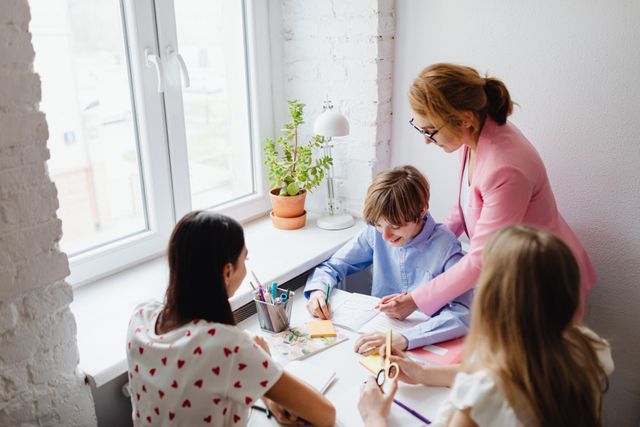
Resilience does not mean managing every problem alone. Supportive relationships can make stressful situations feel more manageable.
Students may seek support from:
- Teachers
- School counsellors
- Parents
- Siblings
- Trusted classmates
Adolescents may speak with:
- Parents or guardians
- Teachers
- Counsellors
- Coaches
- Trusted friends
Adults may receive support from:
- Family members
- Friends
- Colleagues
- Community groups
- Mental health professionals
Instead of simply saying, “I am stressed,” explain what kind of support you need:
- “Could you listen while I explain what happened?”
- “Can you help me organise my revision?”
- “I need advice about a friendship problem.”
- “Could we share these responsibilities?”
- “I think I need professional support.”
Asking for help is not a weakness. Recognising when support is needed is an important part of emotional resilience.
https://www.who.int/europe/news/item/18-05-2026-new-who-tool-supports-countries-to-improve-quality-of-child-and-youth-mental-health-services

7. Learn From Stressful Experiences
Emotional resilience develops when people reflect on stressful experiences and use what they have learned.
After a difficult situation, ask:
- What happened?
- What emotions did I experience?
- How did I respond?
- What helped me?
- What made the situation worse?
- What could I do differently next time?
A student who performs poorly may realise that last-minute revision increased anxiety. An adolescent who experiences a friendship conflict may learn that posting emotional messages online makes disagreements worse. An adult who feels overwhelmed may recognise that accepting too many responsibilities without asking for help contributed to the stress.
Reflection changes a stressful experience into an opportunity for learning and growth.
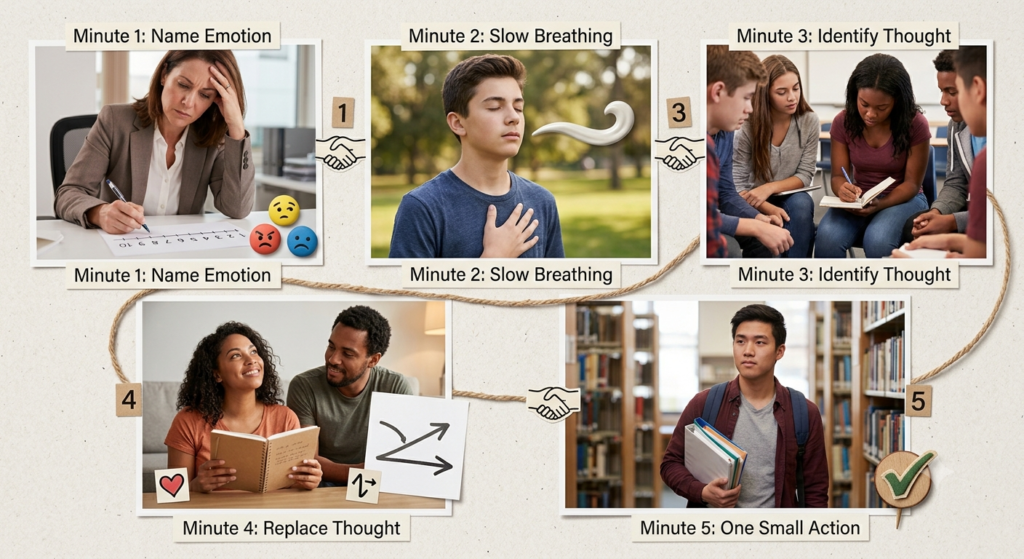
A Five-Minute Emotional-Resilience Exercise
Students, adolescents and adults can use this exercise whenever stress begins to feel overwhelming.
Minute 1: Name the emotion.
Identify what you are feeling and rate its intensity from 1 to 10.
Minute 2: Slow your breathing.
Take several slow breaths and release tension from your shoulders, hands and jaw.
Minute 3: Identify the stressful thought.
Write down the thought that is making the situation feel worse.
Minute 4: Replace it with a balanced thought.
Choose a realistic statement that recognises both the challenge and your ability to respond.
Minute 5: Take one small action.
Complete one helpful and manageable step.
This action could include:
- Reviewing one page of notes
- Asking a teacher for clarification
- Speaking with a trusted adult
- Organising tomorrow’s tasks
- Taking a short screen break
- Requesting help with a responsibility
https://link.springer.com/article/10.1007/s10566-026-09922-7
When Should Professional Support Be Considered?
Students, adolescents or adults should consider speaking with a qualified counsellor, psychologist or healthcare professional when stress regularly affects:
- Sleep or appetite
- Concentration
- School or work attendance
- Academic performance
- Relationships
- Daily responsibilities
- Emotional control
- Interest in usual activities
Children and adolescents should be encouraged to speak with a trusted parent, guardian, teacher or school counsellor when they feel unable to manage stress alone.
Closing: Build Resilience One Response at a Time
Emotional resilience does not mean ignoring stress, hiding emotions or remaining positive all the time. It means recognising difficult emotions and responding to them in a healthier and more thoughtful way.
The strategies discussed in this article all share one important idea: a stressful reaction can be changed into an intentional response. Naming emotions creates awareness, pausing reduces impulsive behaviour, balanced thinking improves perspective and supportive relationships reduce isolation.
https://link.springer.com/article/10.1007/s40894-025-00270-6
Students can use these skills to manage examinations and academic pressure. Adolescents can apply them to friendships, identity changes and family challenges. Adults can use them to manage responsibilities, relationships, work and financial concerns.
Resilience develops through small and repeated actions. Begin by choosing one strategy, such as pausing before reacting, challenging an unhelpful thought or speaking with someone you trust.
Call to Action
Is stress affecting your studies, family relationships, emotional well-being or daily responsibilities?
Professional counselling can help students, adolescents and adults recognise stress triggers, regulate difficult emotions and develop personalised resilience skills in a confidential and supportive environment.
Book your free consultation today : https://mentalawareness.info and take the first step towards managing stress with greater confidence and emotional balance.z